

The Smarter Hassle-Free Bath Vent
Shop nowA Smarter Bathroom Exhaust Roof Vent
Finally, a bathroom exhaust roof vent cap designed to give roofing contractors, builders, remodelers, and homeowners a more reliable way to vent bathroom exhaust fans through the roof.
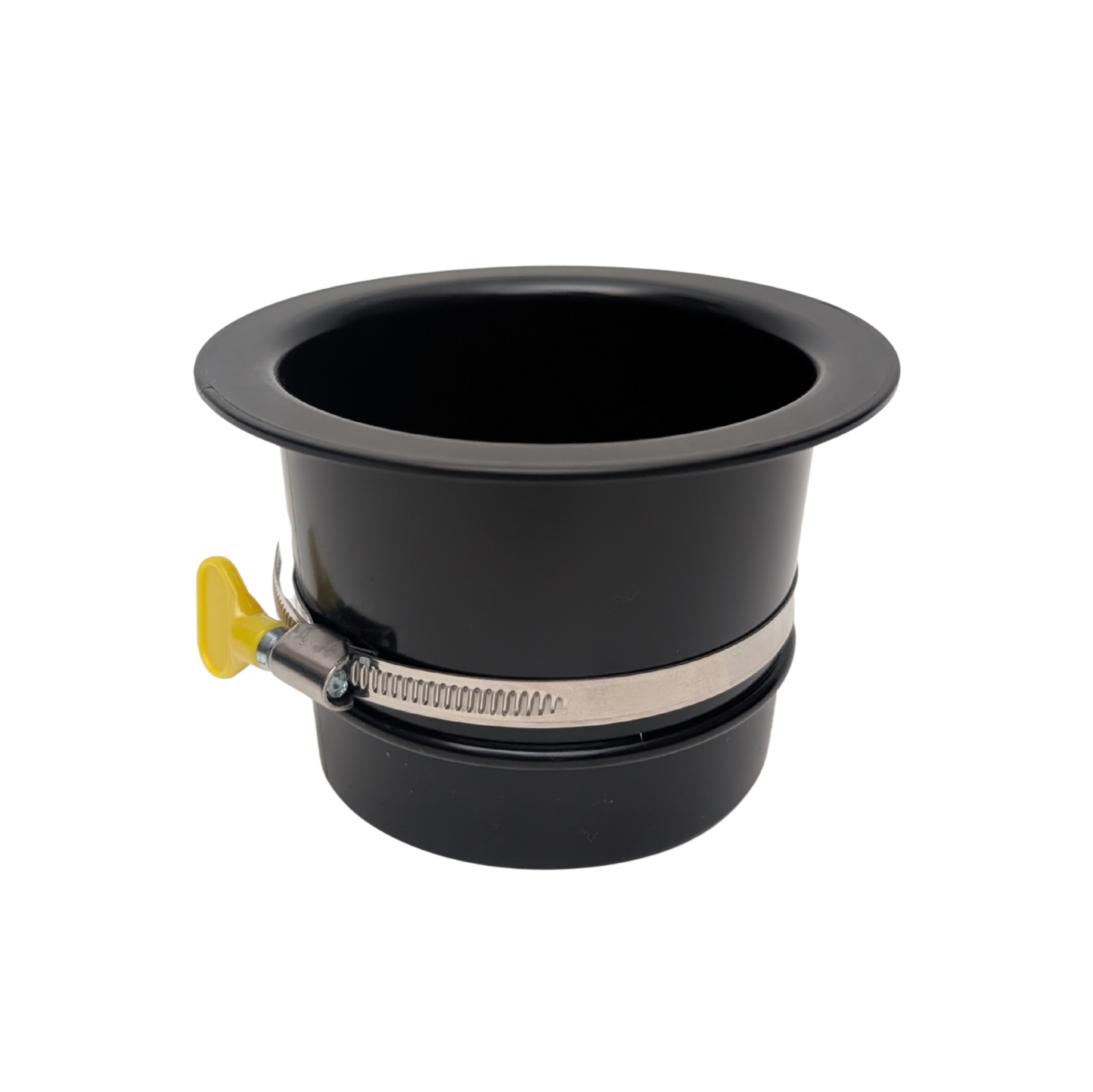
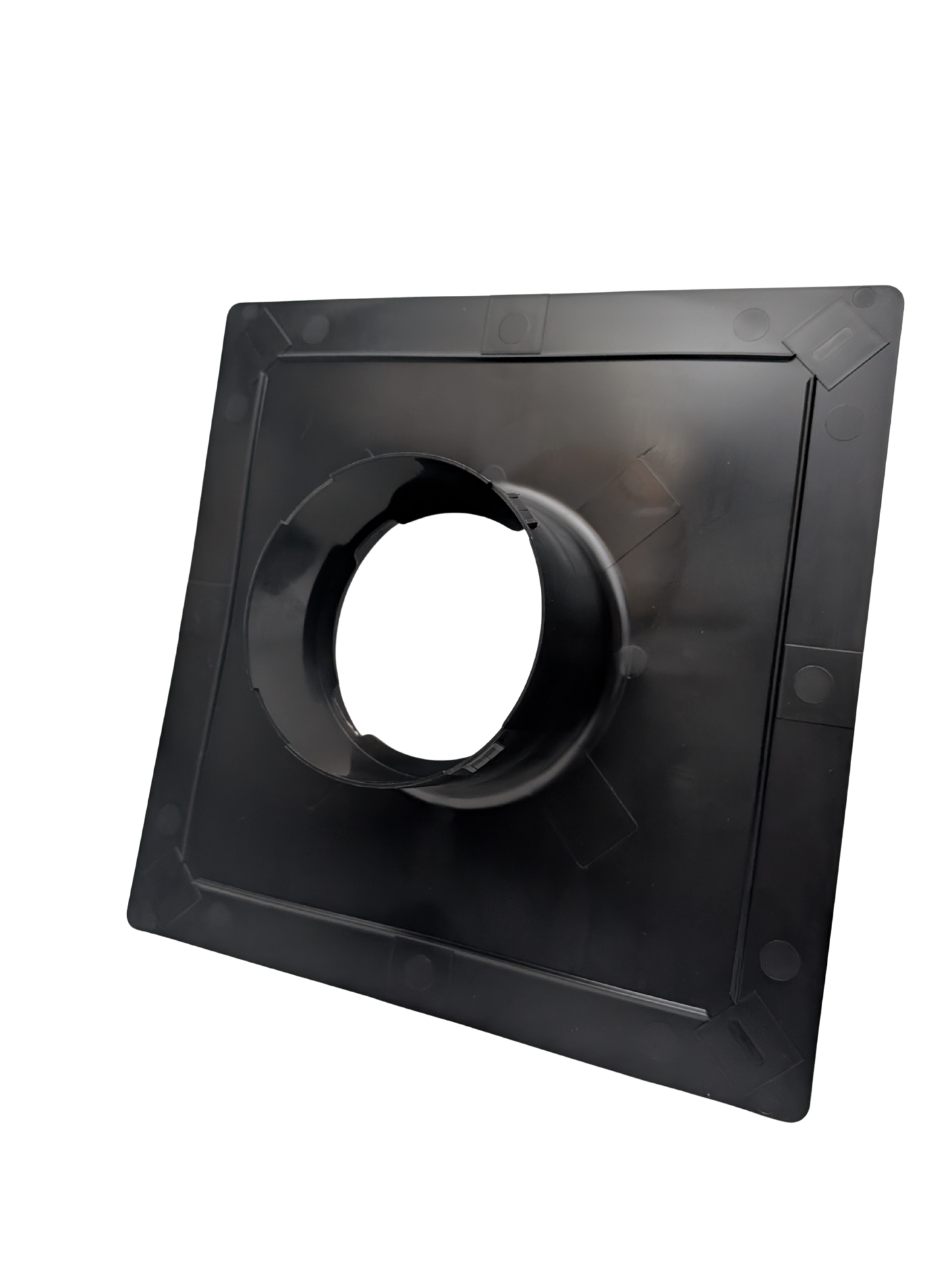
Unlike a standard roof vent cap, Robert’s Roof Cap was designed around the installation problems contractors encounter in the field. The oversized 4-inch flange provides more working area during installation, while the integrated duct connector and hand-tightening hose clamp help create a secure connection with flexible ductwork.
Built from impact-resistant, rust-proof materials, the result is a purpose-built roof vent that makes bathroom exhaust installation simpler while helping contractors reduce loose duct connections, installation headaches, and unnecessary callbacks.

Since trying it, we've had zero wind driven rain issues and received zero calls for frost or condensation issues from any roofs where we used your product. My installers prefer the Roberts Roof Cap over our previous bath vents and like how easy it is to install. It also makes it easier for me to inspect the install, as I can remove the cap and see inside to ensure the pipe is attached.
Chad Grutzmacher
ROOFING QC INSPECTOR
Trusted by Pros Nationwide







Robert's Roof Cap
Share





Robert's Roof Cap
Robert's All-In-One Install Vent Cap Kit
Share


Frequently Asked Questions
What is a roof vent cap and what does it do?
A roof vent cap covers the opening where an exhaust duct exits through the roof. It allows air from a bathroom fan, kitchen exhaust system, or other ventilation system to escape while helping keep rain, snow, pests, debris, and outside air from entering the duct.
A properly installed roof cap also protects the roof opening from water intrusion and helps the exhaust system operate as intended.
Robert’s Roof Cap is designed specifically as a bath vent solution. Its removable cap provides easy access for inspection, while its duct connector creates a secure connection between the roof cap and the exhaust duct.
What's the difference between a dryer vent cap and a bathroom/kitchen vent cap?
Dryer vent caps, bathroom vent caps, and kitchen vent caps are designed for different types of exhaust. Dryer vents carry warm air and lint, so they should not use screens that can collect lint and restrict airflow. Bathroom vents primarily exhaust humid air, while kitchen vents may need to handle higher airflow along with moisture, heat, and cooking exhaust.
Always choose a roof cap designed for the specific exhaust system. Robert’s Roof Cap is designed specifically for bathroom ventilation and includes a bird screen to help keep pests out.
What size roof cap do I need?
Choose a roof cap that is designed to connect to the diameter of your exhaust duct. Common residential duct sizes include 3 inch, 4 inch, 6 inch, and 8 inch, although the correct size depends on the ventilation system and appliance.
Do not choose a roof cap based only on the size of the opening you see on the roof. Check the actual duct diameter and the requirements of the exhaust fan or appliance.
Using the correct duct and roof cap size helps maintain proper airflow and makes it easier to create a secure connection.
Robert’s Roof Cap fits 4 inch ducts both rigid and flexible ducts.
What are the different types of roof caps?
Roof caps are available in several designs depending on the ventilation application. Common options include flap style caps, louvered caps, mushroom or dome style caps, turbine vents, and specialty exhaust caps.
The important distinction is what the roof opening is intended to ventilate. A bathroom exhaust fan, dryer, kitchen exhaust system, and attic ventilation system can have very different airflow and installation requirements.
Robert’s Roof Cap is designed as a bath vent. Its design includes a removable vent cap, duct connector, hand-tightened hose clamp, bird screen, and oversized base flange to simplify installation and create a reliable connection.
How long does a roof cap last?
The service life of a roof cap depends on its material, construction, UV exposure, climate, installation quality, and maintenance.
Quality roof vent materials designed for long term outdoor exposure can provide many years of service. Some properly stabilized plastic roofing products are designed around service expectations of 20 to 25 years or longer. The durability of Robert's Roof Cap as a plastic polyethylene product makes it suitable to last beyond 25 years.
Regardless of material, the roof cap should be inspected periodically and whenever major roof work is performed. Cracks, corrosion, damaged components, failed seals, or restricted airflow are more important replacement indicators than age alone.
Do I need a roof vent cap?
If you are exhausting air through the roof from a bathroom, dryer, kitchen, or other ventilation system, you need a properly designed roof vent cap at the termination point.
A roof cap allows exhaust air to leave the home while helping keep rain, snow, debris, birds, insects, and other pests from entering the duct. It also helps prevent unwanted outside air from flowing back into the ventilation system.
The correct roof cap depends on what you are exhausting. Bathroom and general ventilation caps are designed for humid air, while dryer exhaust caps must allow lint to escape without using screens that can become clogged. Kitchen exhaust systems may also have specific airflow, grease, and damper requirements. Robert's Roof Cap is only for bathroom exhausting.
Choose a cap that matches the appliance or ventilation system, duct size, roof type, and applicable building requirements.
Can animals get in through the roof cap?
Yes. Birds, insects, squirrels, and other pests can enter some poorly protected or damaged roof vent openings.
A roof cap designed with pest protection can help prevent animals from entering while allowing exhaust air to escape.
Robert’s Roof Cap includes a bird screen as part of its bath vent design. The removable cap also provides convenient access when the vent needs to be inspected.
Always make sure any screen or pest protection is appropriate for the specific exhaust application. Dryer exhaust systems, in particular, require special consideration because lint can accumulate on screens.
What size duct does Robert's Roof Cap work with?
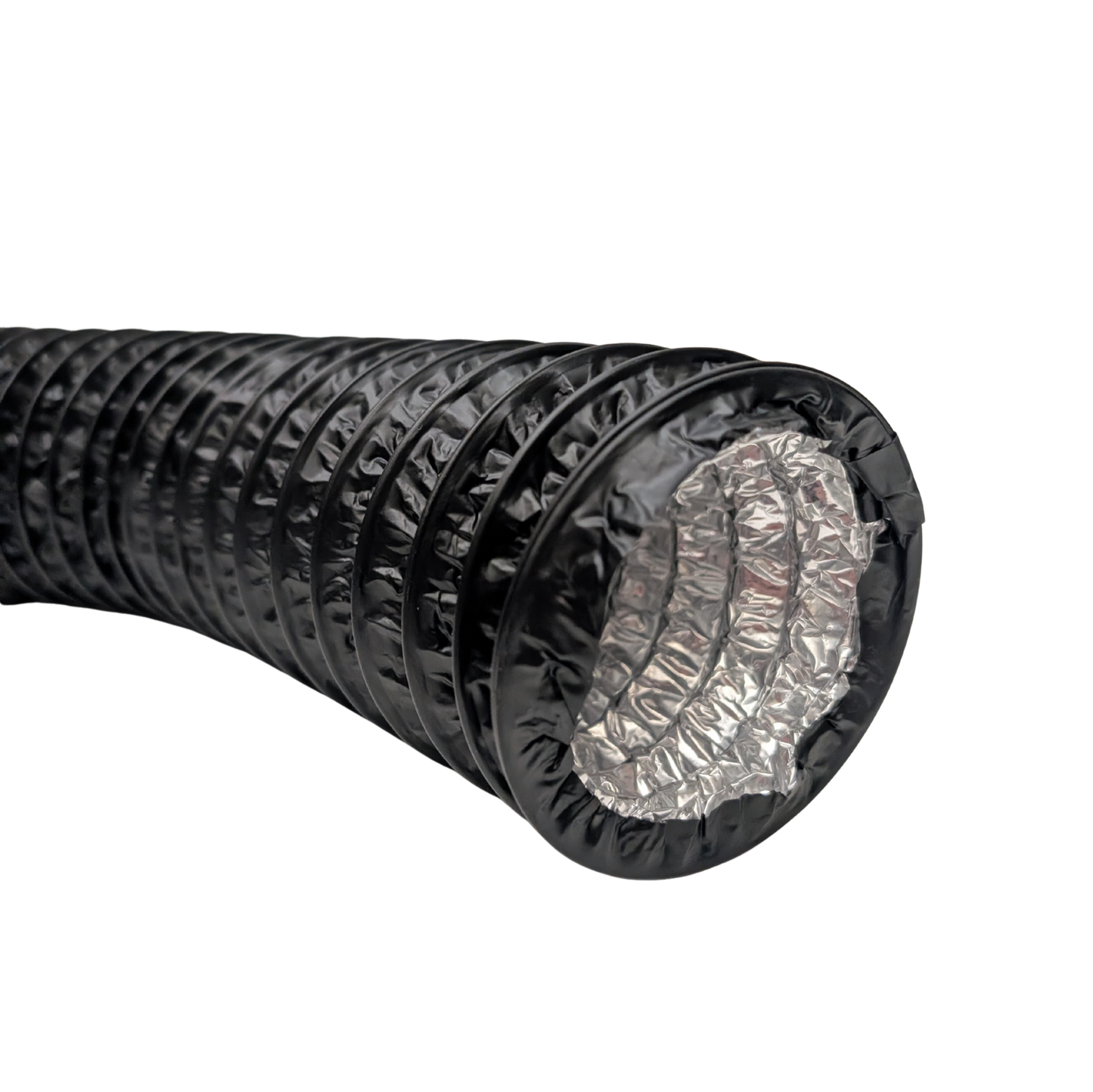
Robert’s Roof Cap is designed to connect with both 4-inch flexible and rigid ductwork. The removable duct connector and hand tightened hose clamp make it easy to create a secure connection without extra tools.
For the correct duct diameter and product size for your installation, check the product specifications before ordering.
What material should I choose for a roof vent cap?
Roof caps are commonly made from plastic, aluminum, galvanized steel, and copper. The best choice depends on the application, climate, roof design, budget, and expected service life.
Plastic can provide excellent corrosion resistance when the material is properly formulated for long term outdoor and UV exposure. Aluminum is lightweight and naturally resistant to corrosion. Galvanized steel provides strength but depends on its protective coating to resist corrosion. Copper offers excellent longevity and a distinctive appearance, but usually comes at a higher cost.
Material quality matters as much as the material category itself. For roofing applications, look for a roof cap designed to handle UV exposure, temperature changes, moisture, and years of outdoor service.
Will the roof cap leak? How do I properly flash and seal it?
A properly designed and installed roof cap should create a weather resistant roof penetration. Leaks are often related to installation, damaged roofing materials, failed sealants, deterioration, or incorrect placement of the flange in relation to the shingles.
The roof cap flange should be integrated with the roofing system so water naturally sheds over and around the penetration rather than being directed underneath it.
Robert’s Roof Cap uses an oversized base flange designed to provide more working area for a secure, watertight installation. Proper installation and shingle placement remain essential.
A roof vent cap should be installed so its base flange works with the roof covering to shed water naturally down the roof.
On a typical asphalt shingle roof, the flange is integrated with the surrounding shingles rather than simply placed on top of them and covered with caulk. Fasteners, sealants, and shingle placement should follow the roof cap manufacturer’s installation instructions and applicable roofing requirements.
Sealant can be an important part of an installation, but it should not be treated as a substitute for proper flashing.
Does roof cap color or style matter?
Color and style can matter because a roof cap is visible on the finished roof. Choosing a low profile design and a color that complements the shingles can make the vent less noticeable and provide a cleaner finished appearance.
Appearance should come after performance, however. The correct roof cap needs to match the ventilation application, provide adequate airflow, resist weather exposure, and integrate properly with the roofing system.
A roof cap that blends into the shingles is nice. A roof cap that does its job for years without giving you a reason to climb back up there is better. Robert’s Roof Cap is available in both black and bronze, giving homeowners options that complement a wide range of shingle colors and help the vent blend naturally with the roof.
Can I install a roof cap myself, or do I need a roofer?
An experienced DIY homeowner may be able to install some roof caps, but roof work involves both fall hazards and the risk of creating a leak if the cap is flashed incorrectly.
Installation generally requires cutting or preparing the roof opening, connecting the exhaust duct, positioning the flange correctly with the roofing material, fastening the cap, and creating a watertight installation.
If you are not comfortable working on a roof or properly flashing a roof penetration, hiring a qualified roofing professional is the safer choice.
Robert’s Roof Cap is designed to simplify the installation process for contractors. The removable cap provides access to the duct connection, the duct connector works with flex and rigid ductwork, and the hose clamp can be tightened by hand without an additional tool. The oversized base flange also provides more working area for a secure installation.
Fewer parts to fight with on the roof is generally a good thing. Roofs have enough ways to make your day interesting already.